


Porcelain Veneers in Cornwall: Who They Suit, What They Can Improve and When Whitening May Be Enough
If you are researching porcelain veneers in Cornwall, you are likely comparing more than one cosmetic option. Some patients want a brighter smile. Others are bothered by chips, worn edges, small gaps or teeth that look uneven in photos. At Chapel Dental in Camborne, we take a measured approach to smile planning, helping you understand whether veneers are appropriate, whether professional cosmetic dentistry at Chapel Dental should start with whitening, or whether another treatment may be the better fit.
The key point is simple: veneers can be an excellent option for the right patient, but they are not automatically the right answer for every cosmetic concern. A proper assessment helps you choose confidently and conservatively.
What are porcelain veneers?
Porcelain veneers are thin, custom-made coverings bonded to the front surface of selected teeth. They are used to improve the appearance of teeth that are visible when you smile, especially where colour, shape, symmetry or minor surface damage are part of the concern.
Because they are carefully planned and individually made, porcelain veneers can create a refined result rather than an artificial one. In the right case, they can help a smile look cleaner, brighter and more balanced while still looking natural.
That said, veneers are not a shortcut around dental health. Before any cosmetic treatment is considered, we need to look at the condition of the teeth, gums, bite and any existing restorations.
Who porcelain veneers in Cornwall tend to suit
When patients visit us from Camborne and across Cornwall to discuss veneers, they are usually looking for a predictable cosmetic improvement rather than a dramatic or overly obvious change. Veneers may suit you if several of the following points apply.
You have more than one visible concern
Whitening improves colour, but it does not change tooth shape. Veneers may be worth considering when your concerns include a combination of issues such as:
teeth that look darker or patchy in colour
small chips or worn edges
slight gaps between front teeth
teeth that appear short, uneven or out of proportion
mild irregularities that affect smile symmetry
You want a natural-looking cosmetic result
Many patients do not want a smile that looks obviously “done”. They want their teeth to look healthier, more even and better suited to their face. Porcelain veneers can work well when treatment is planned with restraint and attention to proportion, shade and the way the smile sits within the face.
You understand that veneers are a long-term treatment choice
Veneers are not the same as a quick polish or a temporary beauty treatment. In many cases they involve careful preparation and detailed planning, so suitability matters. Patients who do best with veneers are usually those who want a lasting cosmetic improvement and are prepared to look after the result with good home care and regular professional reviews.
Your teeth and gums are healthy enough for cosmetic treatment
If gum disease, active decay, heavy grinding, unstable bite problems or failing restorations are present, those issues need to be addressed first. In some cases, other treatments such as restorative care, crown work or invisible braces may be more suitable than veneers alone.
What porcelain veneers can improve
Used appropriately, porcelain veneers can improve several common cosmetic concerns. The best results tend to come from careful case selection rather than trying to use one treatment for every problem.
Stubborn discolouration
Some teeth do not respond evenly to whitening, particularly when the concern is not just general staining. Veneers may help when colour issues are localised, complex or linked with other aesthetic concerns.
Chips, wear and uneven edges
If front teeth look chipped, flattened or irregular, veneers can help restore a cleaner outline to the smile. This can be especially useful when the overall tooth structure is still suitable for a conservative cosmetic approach.
Small gaps or minor shape differences
Veneers can sometimes close minor spaces or improve teeth that look narrow, misshapen or disproportionate. They can also help a smile look more balanced where one or two teeth draw attention because of shape rather than colour.
A smile that lacks symmetry
Many patients are not worried about one single tooth. They are bothered by how the front teeth work together visually. Veneers can be part of a smile design approach where the aim is harmony, not perfection.
What veneers do not do is treat underlying disease or major structural problems. If a tooth is heavily filled, badly broken down or functionally compromised, we may advise a different restorative route. This is one reason a clinical assessment matters far more than online comparisons.
When whitening may be enough
Not every patient who asks about veneers actually needs veneers. If the main issue is colour and the teeth are otherwise healthy, well-shaped and reasonably even, whitening may be the more appropriate place to start.
You mainly want brighter teeth
If you like the general shape and position of your teeth but feel they have become dull, stained or less bright over time, whitening may give you the improvement you want without changing tooth structure.
Your teeth already have good natural proportions
When spacing, shape and surface condition are already favourable, whitening can often lift the overall appearance enough to make a real difference. This is especially true for patients who want a fresher look rather than a redesigned smile.
You prefer the most conservative option first
A sensible cosmetic plan often starts with the least invasive treatment that may achieve the goal. In suitable cases, professional teeth whitening at Chapel Dental can be an excellent first step before considering more involved cosmetic work.
You may later combine whitening with another treatment
Sometimes whitening is not the alternative to veneers. It is part of the plan. For example, whitening may be used first to improve the shade of the surrounding teeth, after which a smaller number of veneers can be considered only where they are genuinely needed.
This kind of stepped approach is often the best way to protect healthy tooth structure while still achieving a polished result.
How we help patients choose between veneers, whitening and other options
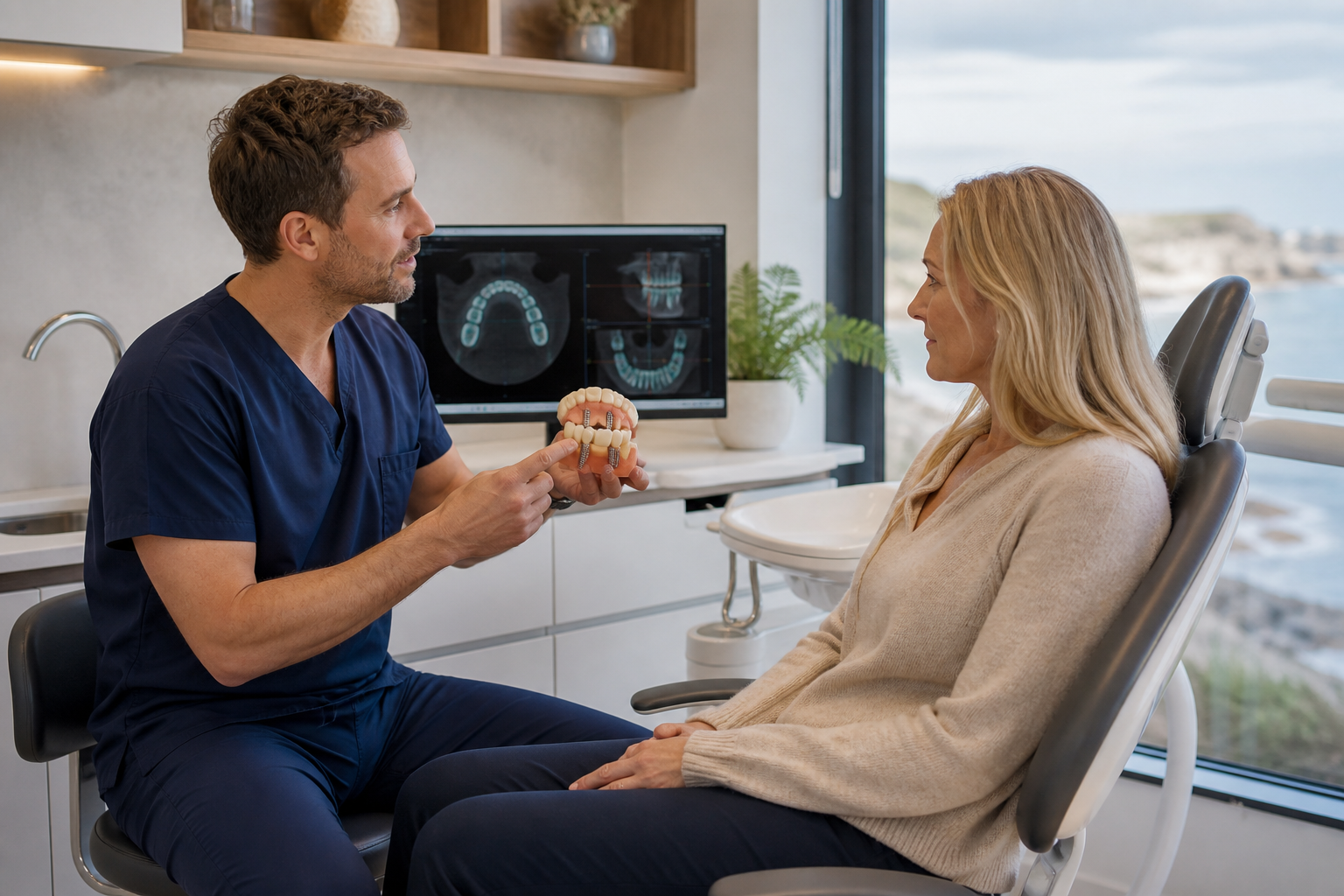
At Chapel Dental, we believe cosmetic dentistry should be guided by clinical judgement, not pressure. During a private consultation, we look at the whole picture rather than jumping straight to one treatment.
Your assessment may include discussion around:
what exactly you would like to change about your smile
whether the concern is mainly colour, shape, wear, spacing or symmetry
the condition of the teeth and gums
existing fillings, crowns or other restorations
how your bite and habits may affect longevity
whether a more conservative option could achieve the result
Because our practice focuses on advanced restorative dentistry as well as cosmetic care, we are able to look beyond the surface appearance of the teeth. That matters when a patient is deciding between whitening, veneers, crown work or a broader restorative plan. You can learn more about our approach to private dental consultation and cosmetic care on our website.
Important things to consider before choosing veneers
Healthy gums come first
Cosmetic work looks better and lasts better when the surrounding tissues are healthy. If plaque build-up, bleeding gums or instability are present, those concerns should be dealt with before veneer treatment is planned.
Existing dental work can affect the plan
If you already have fillings, crowns or previous cosmetic work on front teeth, that may influence which option is most suitable and how a natural shade match can be achieved.
The best result is rarely the most aggressive one
Patients sometimes assume that a full set of veneers is the premium answer. In reality, the right treatment is the one that addresses the concern with the appropriate level of intervention. In some cases that may be whitening alone. In others, it may be a smaller number of veneers combined with another treatment.
Maintenance still matters
Even excellent cosmetic dentistry needs looking after. Good home care, regular check-ups and hygiene support all play a part in keeping a smile looking its best over time.
Why patients across Cornwall choose Chapel Dental for smile planning
Chapel Dental has been established in Camborne since 1952, with more than 70 years of heritage in Cornwall. Led by Dr Stephen Pace, our clinical focus includes advanced restorative dentistry, complex oral surgery and cosmetic smile makeovers, including porcelain veneers and whitening.
Patients come to us from Camborne, Redruth, Falmouth, Hayle, St Ives, Truro and across Cornwall because they want experienced private dental care with careful treatment planning. We also understand that some patients feel nervous about dental treatment, and our team is known for a calm, supportive approach.
If you want to visit us in person, you can find our Camborne practice here.
Arrange a private cosmetic consultation
If you are weighing up porcelain veneers in Cornwall, the most useful next step is a proper consultation rather than more guesswork online. We can assess what is bothering you about your smile, explain whether veneers are likely to help, and tell you honestly when whitening or another option may be enough.
For some patients, veneers are the right choice. For others, a more conservative treatment delivers the improvement they want. Our role is to help you choose the option that is appropriate for your teeth, your goals and your long-term oral health.
To arrange a private cosmetic consultation with Chapel Dental in Camborne, visit our website or call 01209 712036.
Frequently asked questions about porcelain veneers in Cornwall
Are porcelain veneers better than whitening?
Not automatically. Whitening is often enough when the main concern is tooth colour. Veneers may be more suitable when you want to improve colour as well as shape, chips, minor gaps or uneven edges. The right choice depends on your teeth and your aims.
Can porcelain veneers fix chipped or uneven front teeth?
In many cases, yes. Porcelain veneers can improve the appearance of small chips, worn edges and teeth that look uneven or slightly disproportionate. A consultation is still needed to confirm that the tooth structure and bite make veneers appropriate.
Do I need whitening before veneers?
Sometimes. If the surrounding natural teeth would benefit from a lighter shade, whitening may be recommended first so the final cosmetic result looks balanced. Not every case needs this, but it is a common planning consideration.
How long do porcelain veneers last?
Veneers are usually considered a long-term treatment, but their longevity depends on factors such as case selection, bite, habits, maintenance and general oral health. This is one of the reasons we assess each patient individually rather than making one-size-fits-all promises.
Where can I book a consultation for porcelain veneers in Cornwall?
You can book a private cosmetic consultation with Chapel Dental in Camborne. We will talk through your concerns, examine your teeth and explain whether veneers, whitening or another treatment is the most suitable next step.
Conclusion
Porcelain veneers can be an excellent option when you want to improve more than shade alone, but they are not the answer to every cosmetic concern. If your teeth are healthy and colour is the main issue, whitening may be enough. If shape, wear, symmetry or minor gaps are also part of the picture, veneers may be worth exploring.
If you would like clear, clinically grounded advice on porcelain veneers in Cornwall, arrange a private cosmetic consultation with Chapel Dental in Camborne and let us help you choose the right path for your smile.

Comments